
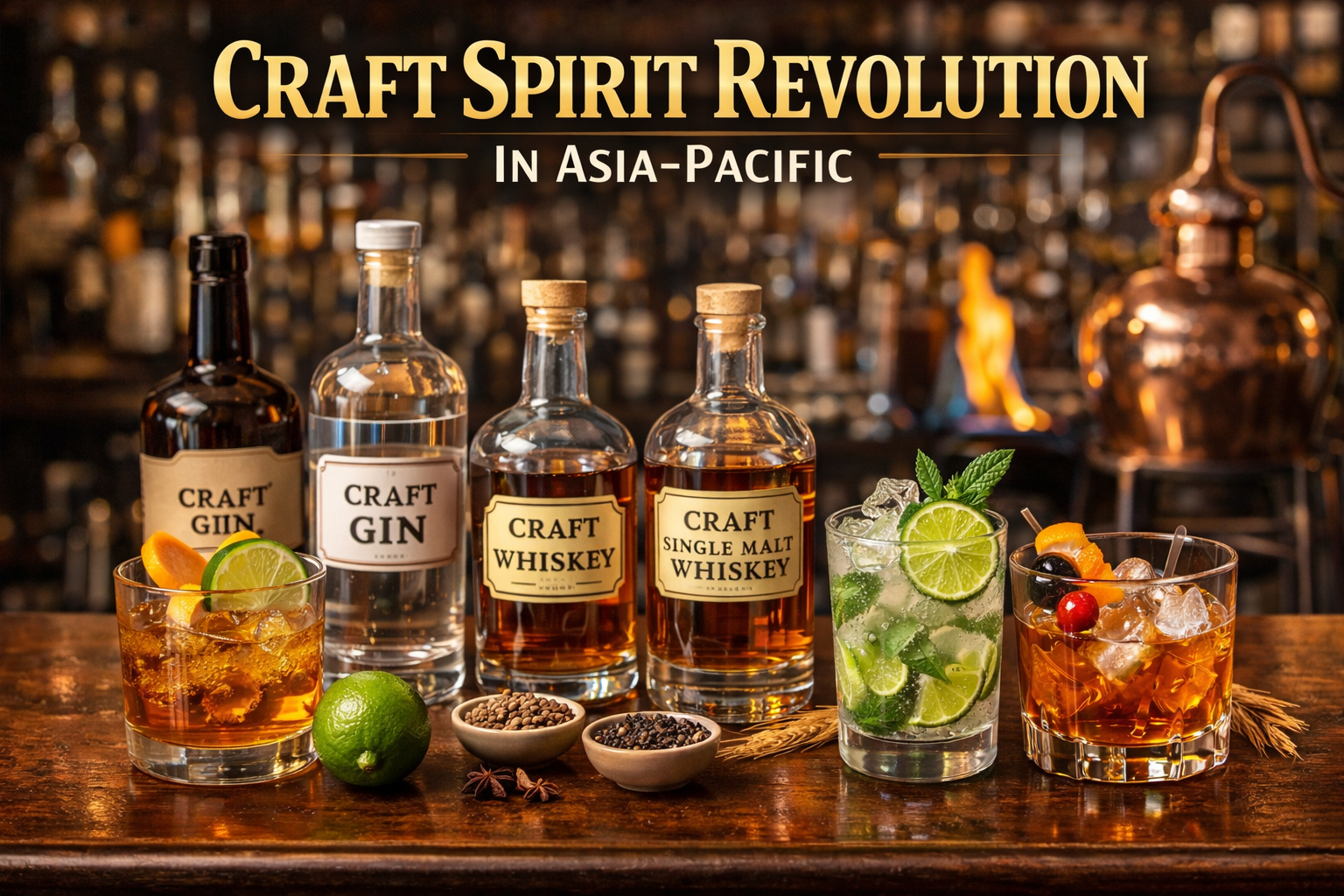
The global spirits conversation has been dominated by European and American producers for centuries. That's changing fast. Across the Asia-Pacific region, a new generation of distillers is creating world-class spirits that reflect local terroir, ingredients, and traditions.
Beyond Japanese Whisky
Japanese whisky opened the door, proving that exceptional spirits could come from outside the traditional Scottish-American-Irish axis. But the story has moved far beyond Yamazaki and Hibiki. Smaller Japanese distilleries are experimenting with local grain varieties, unique cask types (including mizunara oak), and production methods that blend Scottish tradition with Japanese precision.
Southeast Asian Gin
The gin boom has reached Southeast Asia with particular vigor. Thai distillers are using local botanicals — galangal, lemongrass, kaffir lime, butterfly pea flower — to create gins that taste unmistakably of their origin. Philippine gin producers, building on a long domestic gin tradition, are elevating their craft with premium expressions that compete internationally.
Australian and New Zealand Innovation
Down under, the craft spirit scene has exploded. Australian whisky has gone from novelty to serious contender in barely a decade, with Tasmanian distilleries in particular gaining critical acclaim. New Zealand's craft spirits sector is smaller but equally ambitious, with producers working with native botanicals and innovative aging techniques.
The Infrastructure Gap
As reported by Drinks International, the biggest challenge facing Asia-Pacific craft distillers isn't quality — it's distribution and recognition. Many exceptional producers struggle to reach international markets due to regulatory complexity, high shipping costs, and the simple fact that global spirits buyers still default to familiar European brands.
What to Watch
Keep an eye on Indian single malt whisky (Amrut and Paul John are already world-class), Taiwanese whisky (Kavalan continues to win major awards), and the emerging Vietnamese craft spirits scene. The next decade will see Asia-Pacific move from interesting footnote to dominant force in global spirits.